Top 5 Maintenance Tips for European Cars
European cars stand out on the road. Brands like BMW, Mercedes-Benz, Porsche, and Audi build vehicles that combine power with style. These cars use advanced technology and careful engineering that make them exciting to drive.
Keeping a European car running well requires different care than regular vehicles. The parts cost more, the systems are more complex, and the service schedules work differently. Learning these differences helps protect the car and keep it performing at its best.
Choose Quality Oil and Change It on Time
Engine oil works like blood flowing through the motor. It keeps all the metal parts moving smoothly without grinding against each other. European cars need special synthetic oil that meets exact standards set by the manufacturer.
BMW and Mercedes vehicles have smart computer systems called Condition-Based Servicing that watch the oil condition. These systems track how the car gets driven and tell owners exactly when the oil needs changing. Listening to these alerts prevents damage to expensive engine parts.
Keep Air Filters Clean and Fresh
Cars need two different air filters. The engine air filter stops dirt from entering the motor. The cabin air filter cleans the air that people breathe inside the car. Both filters need regular attention.
A dirty engine filter makes the motor struggle to pull in enough air. This reduces power and wastes gas. Clean filters let the engine breathe freely and run at full strength. Replacing an old filter often brings back lost performance.
Watch Fluid Levels Carefully
European cars use several different fluids that each have specific jobs. Coolant keeps the engine from overheating. Brake fluid makes the brakes work. Power steering fluid helps turn the wheels. Transmission fluid keeps gears shifting smoothly.
These fluids work together like a team. When one runs low or gets dirty, it affects how the car performs. Checking fluid levels regularly takes just minutes but prevents expensive damage.
Check Brakes and Tires Regularly
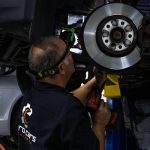
European cars often have powerful braking systems designed for high performance. The pads, rotors, and calipers all need regular checks to stay safe.
Sport suspensions and strong brakes create specific wear patterns on tires. Rotating tires regularly helps them wear evenly and last longer. Uneven wear means replacing tires sooner and spending more money.
Tire pressure matters more than many people realize. Wrong pressure affects how the car handles, how much gas it uses, and how long tires last. European cars list the correct pressure on a sticker inside the driver’s door.
Stick to Factory Service Plans
Every European car comes with a maintenance schedule from the factory. This schedule tells owners exactly what service the car needs and when it needs it. Following this plan keeps the car running right and prevents breakdowns.
Regular oil changes, fluid flushes, and filter replacements ensure that your engine runs smoothly and efficiently. Skipping services to save money now creates bigger repair bills later. Carbon builds up, parts wear out, and systems fail when maintenance gets ignored.
Find Technicians Who Know European Cars
European cars need mechanics who understand their special engineering. Regular mechanics might not have the training or tools needed for these vehicles. Luxury car repair requires knowledge that comes from working with European brands every day.
Diagnostic computers make a huge difference. BMW, Mercedes, Audi, and Porsche each use their own software for reading error codes. Shops without this equipment can’t properly diagnose problems with these cars.